Sage
A reimagined ecosystem of smart home products designed to integrate seamlessly into your home and lifestyle.
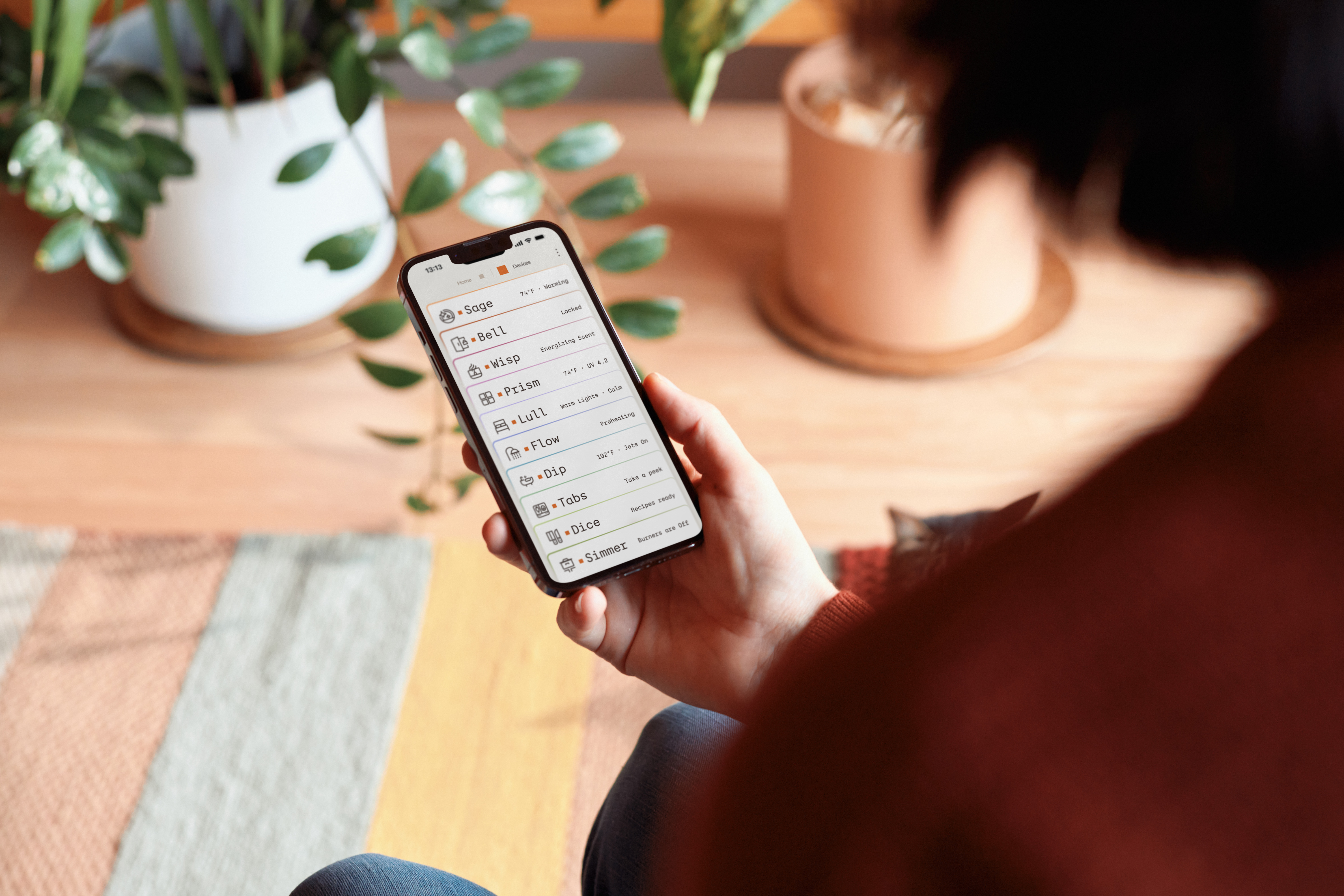
I brought my product, Ceres, into a ten-product smart home ecosystem built for renters.
During my junior year, I joined the senior capstone team to integrate my previous product, Ceres, into their ecosystem. The products are designed for Gen Z and Millennial renters: subtle, functional, and able to adapt to unpredictable events while anticipating your needs.
My job was to work out how Ceres could live alongside the other kitchen products. I owned three pieces:
Rebranded Ceres as Tabs, so it belonged in the Sage family.
Designed a modular smart tablet that attaches to your fridge.
Designed the Tabs app UI alongside the tablet experience.
Smart living for the new generation
 Sage
 Bell
 Wisp
 Prism
 Lull
 Flow
 Dip
 Tabs
 Dice
 Simmer
Ten products, one home
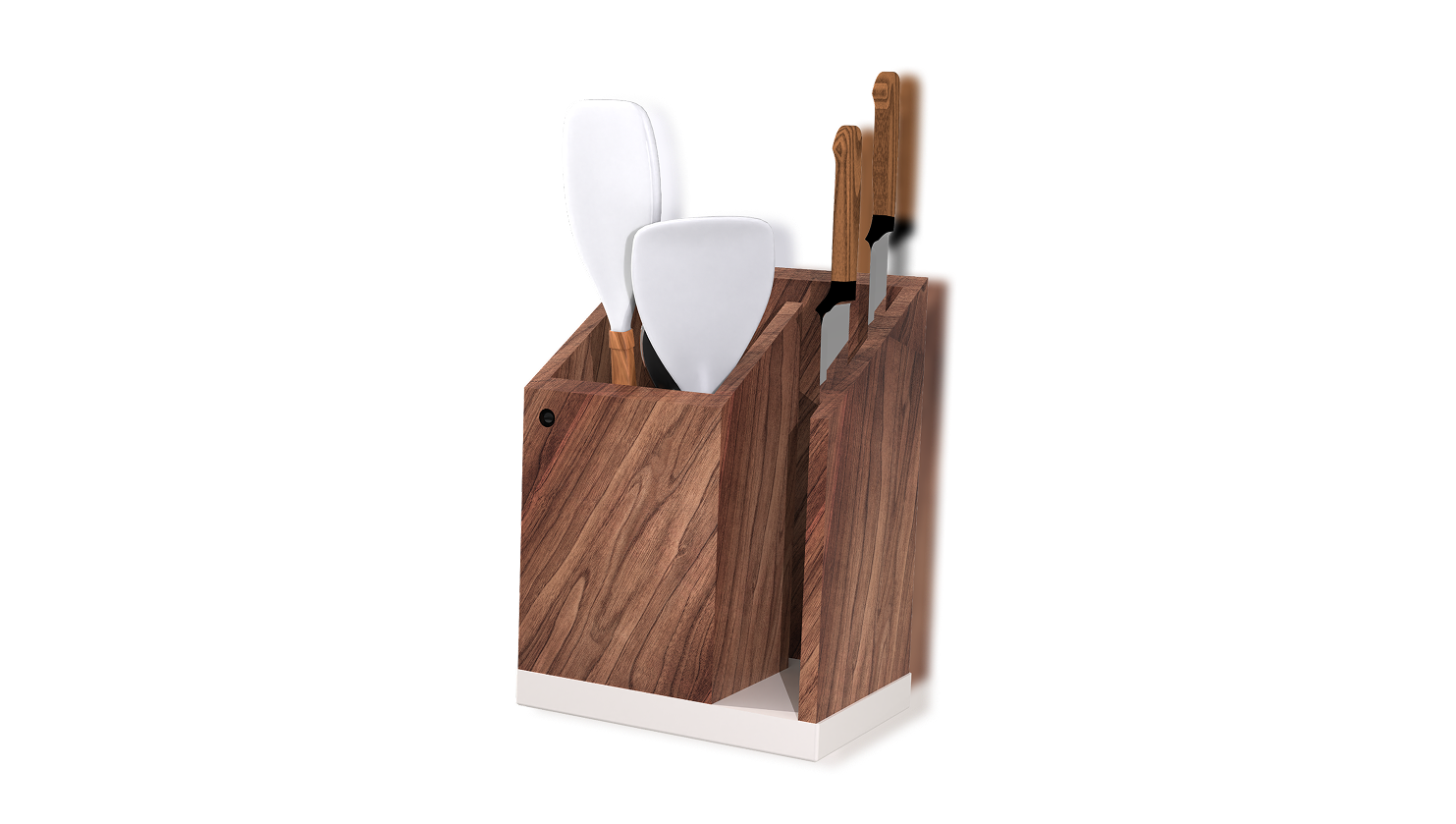
Sage is a ten-product smart home ecosystem designed by a cross-disciplinary team of UX and industrial design students. The products share one design system and work together. I joined midway, after the system was established, and this is the ecosystem I integrated Tabs into. Hover over a product to see what it does.
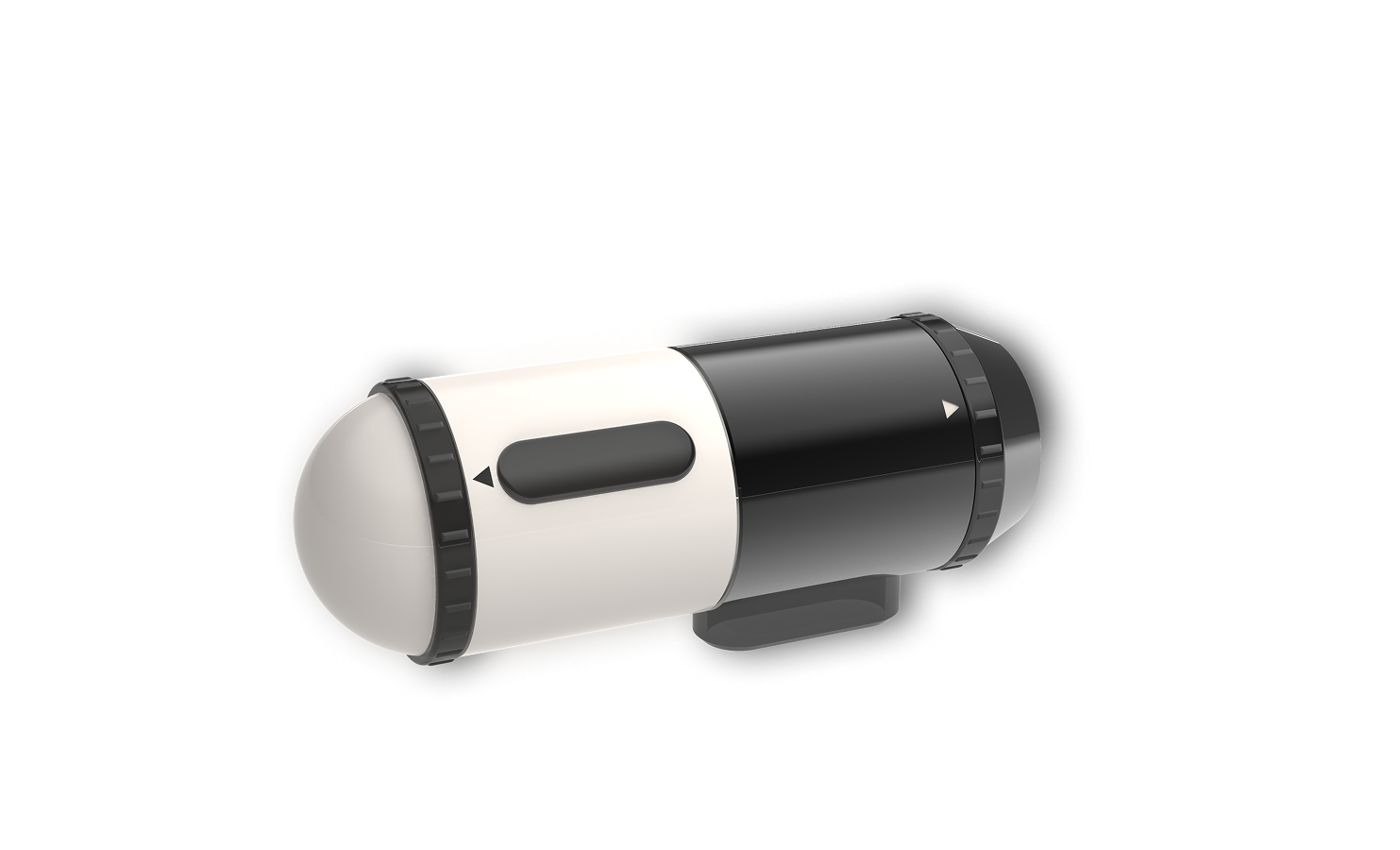
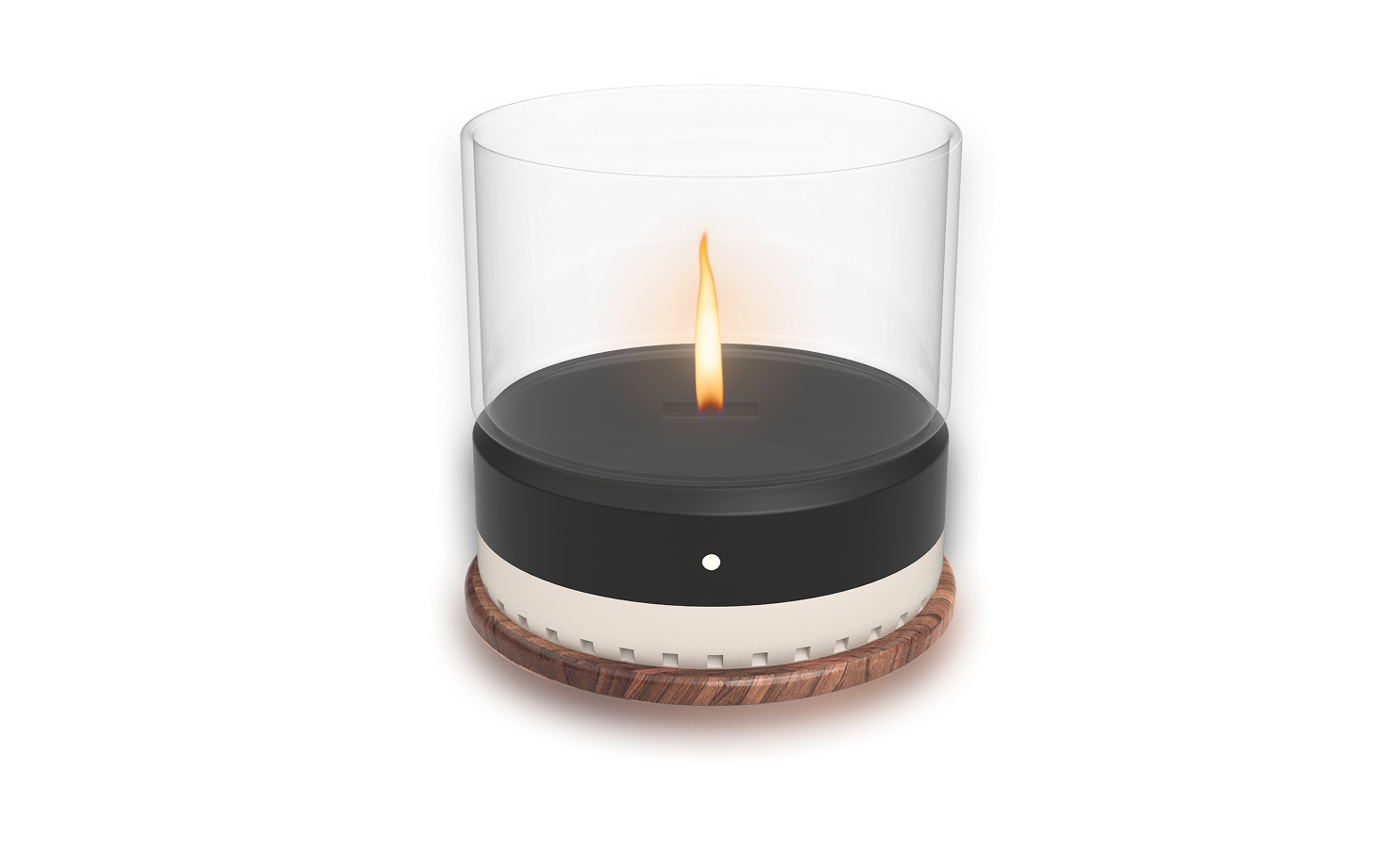
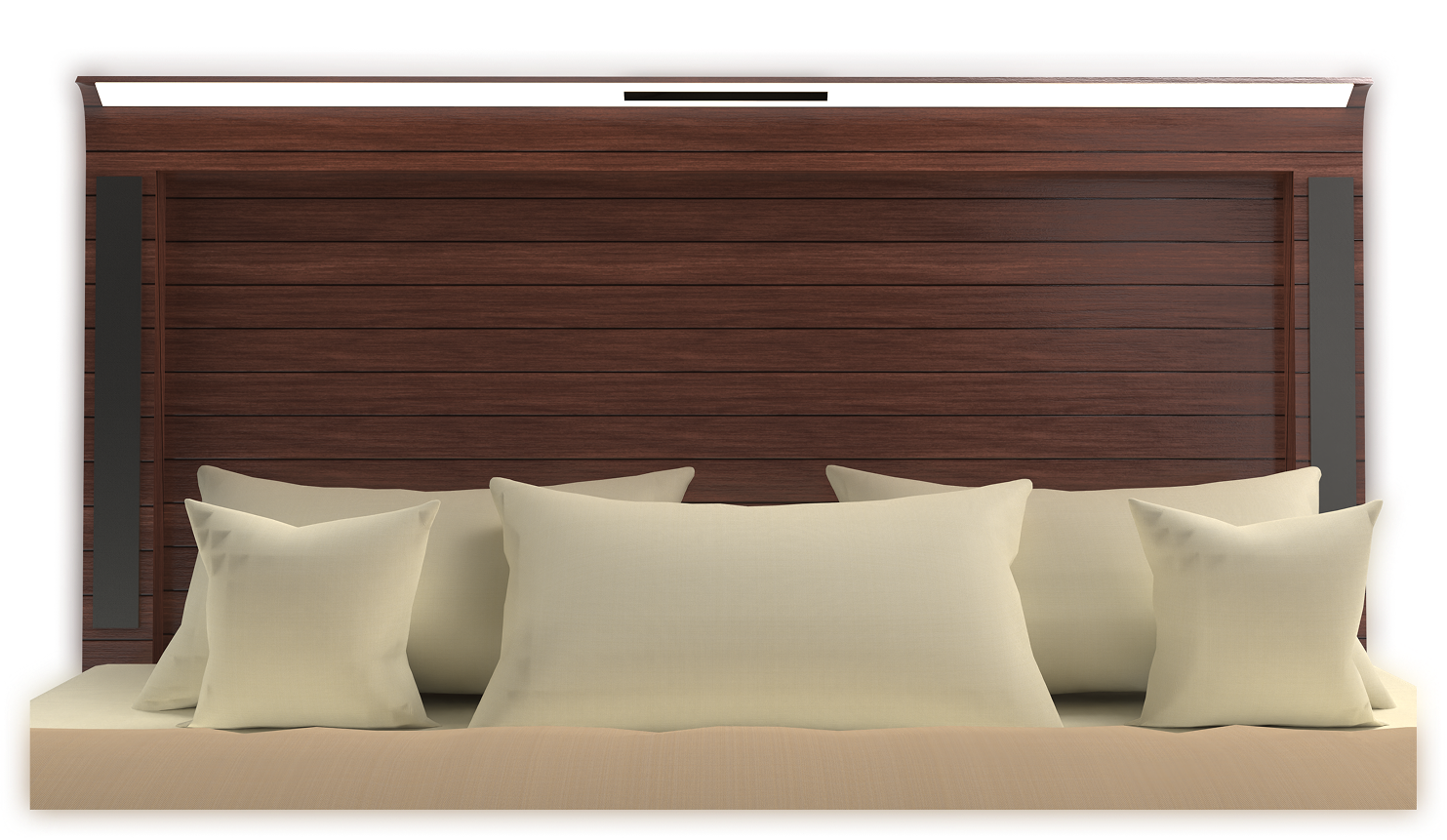
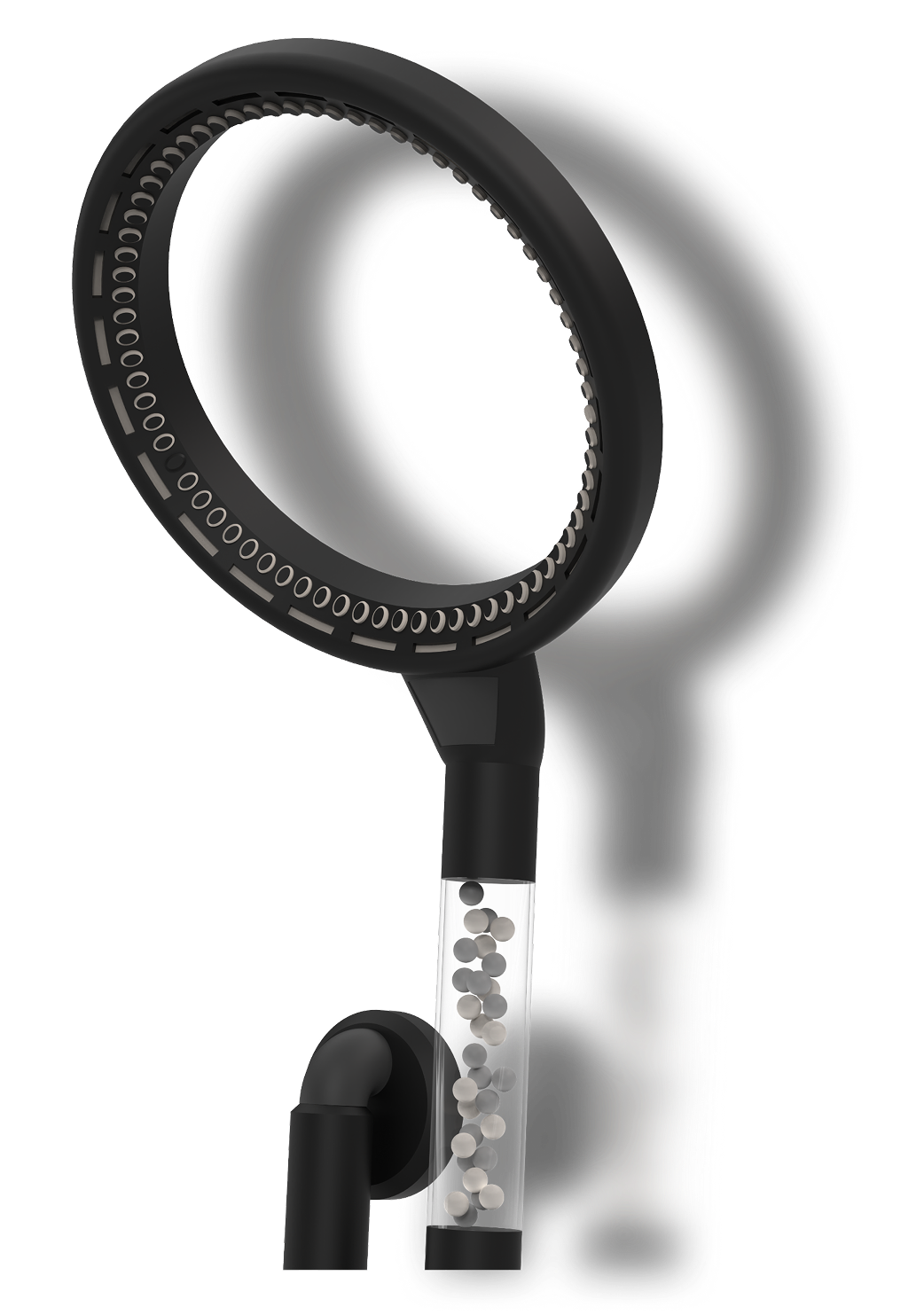
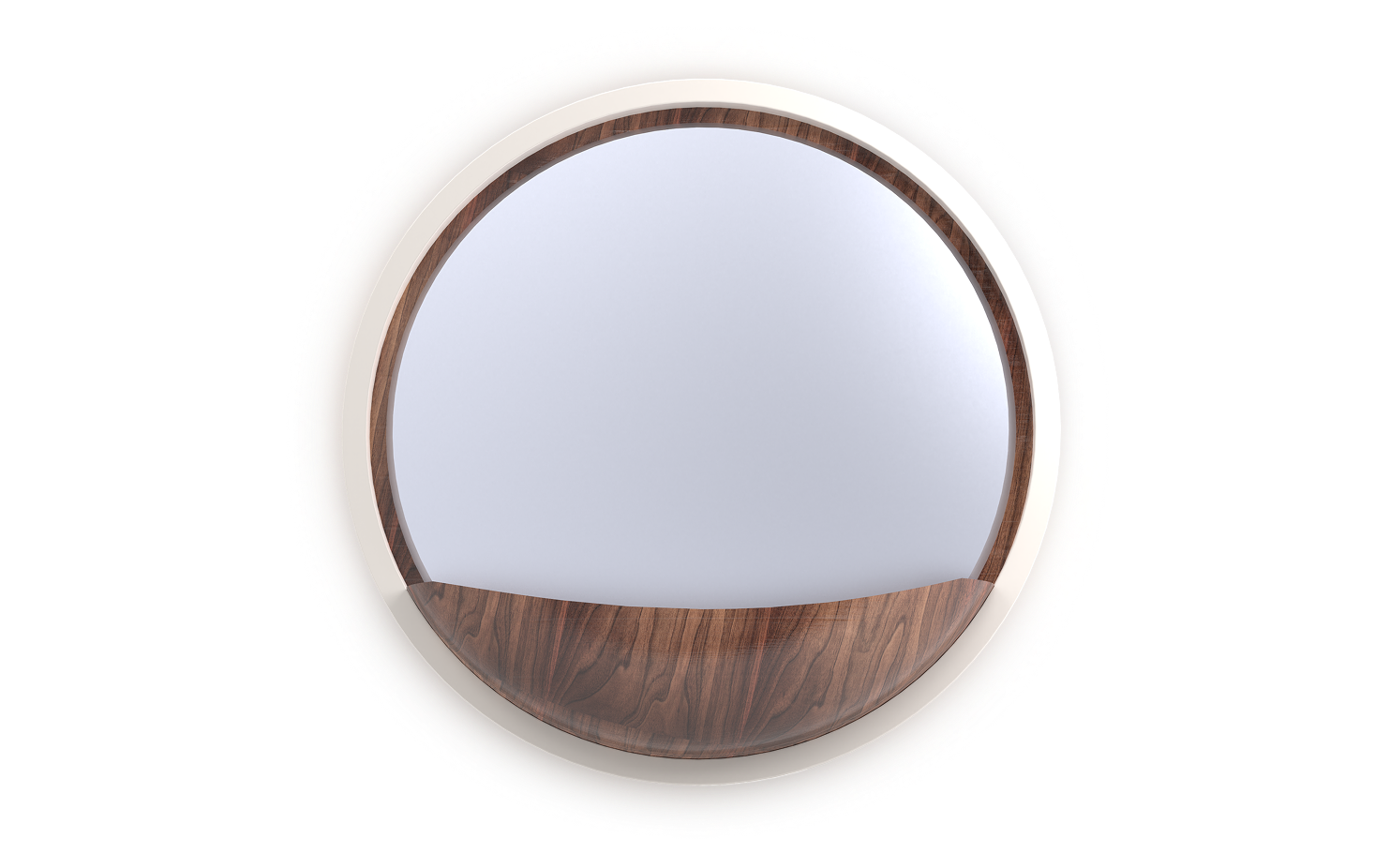
From Ceres to Tabs
Ceres was a food-tracking app I designed before joining Sage. I led its rebrand into Tabs, bringing it in line with the Sage design system while keeping its core features (days-left countdowns, recipes and inventory) intact, and extending the UI to a fridge-mounted tablet.
Visual identity. I replaced Ceres's bold teal with Sage's color palette, typography and iconography, aligning Tabs with the design system so it sits naturally beside the other kitchen products.
Core functionality. Days-left countdowns, recipe suggestions and inventory tracking were already working for users, so I kept them intact. The goal was brand integration, not a redesign.
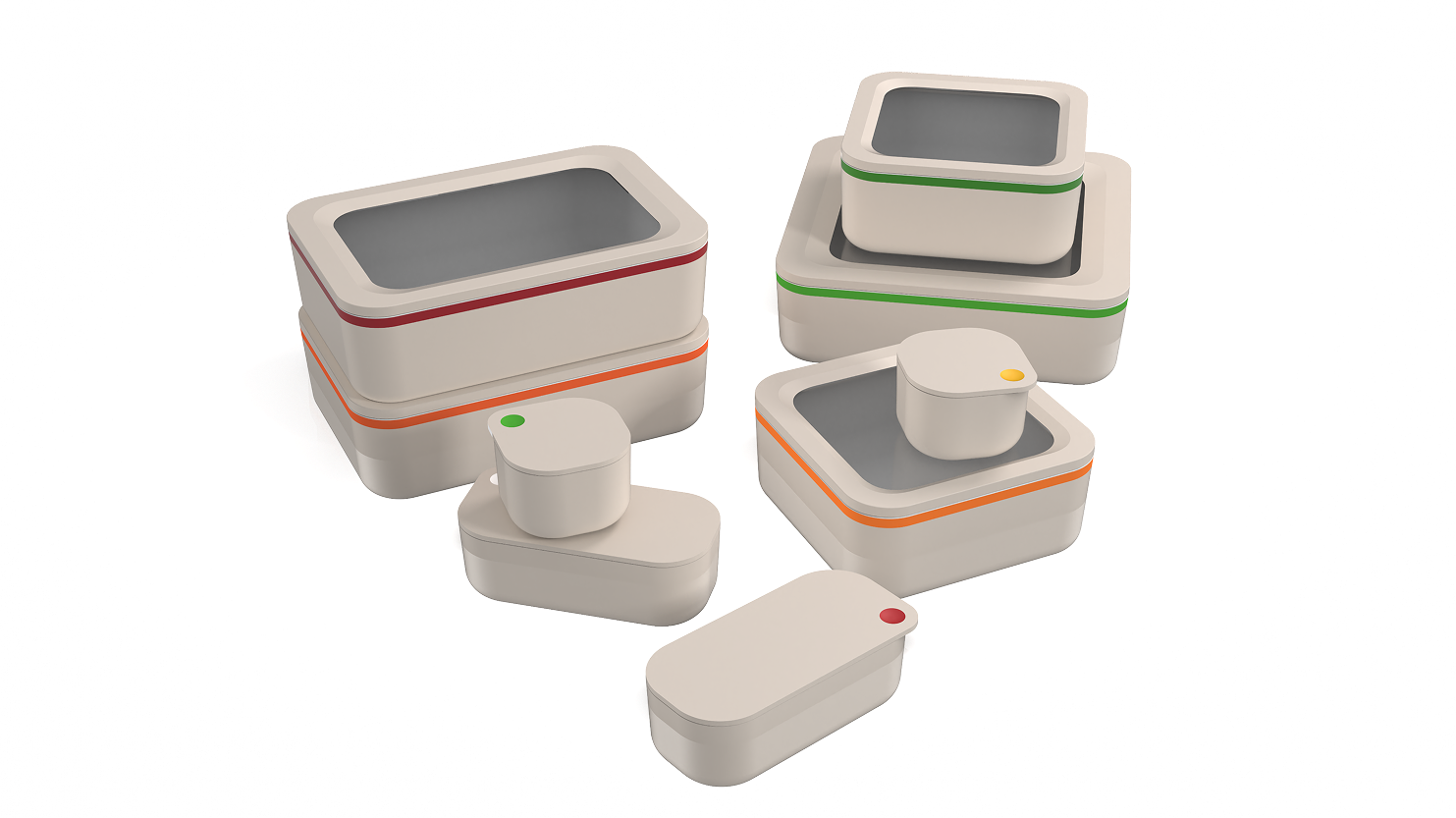
New touchpoints. I adapted the UI for a fridge-mounted tablet as well as mobile, and connected the digital and physical experience: the containers' colored bands match the freshness states in the app.
Fridge tablet, home screen
Each Ceres container counts down the days its food has left, soonest first.
A featured recipe with its time and level, ready to save.
Shows how many ingredients you already have for each one.
Sits at eye level on the right-hand door, and lifts off to cook with.
How we built it
Every product was prototyped by hand as a high-fidelity model using 3D printing, wood, veneer and finishing work, so it could be presented in a real home. These are the team's builds; I prototyped the Tabs containers (last photo).
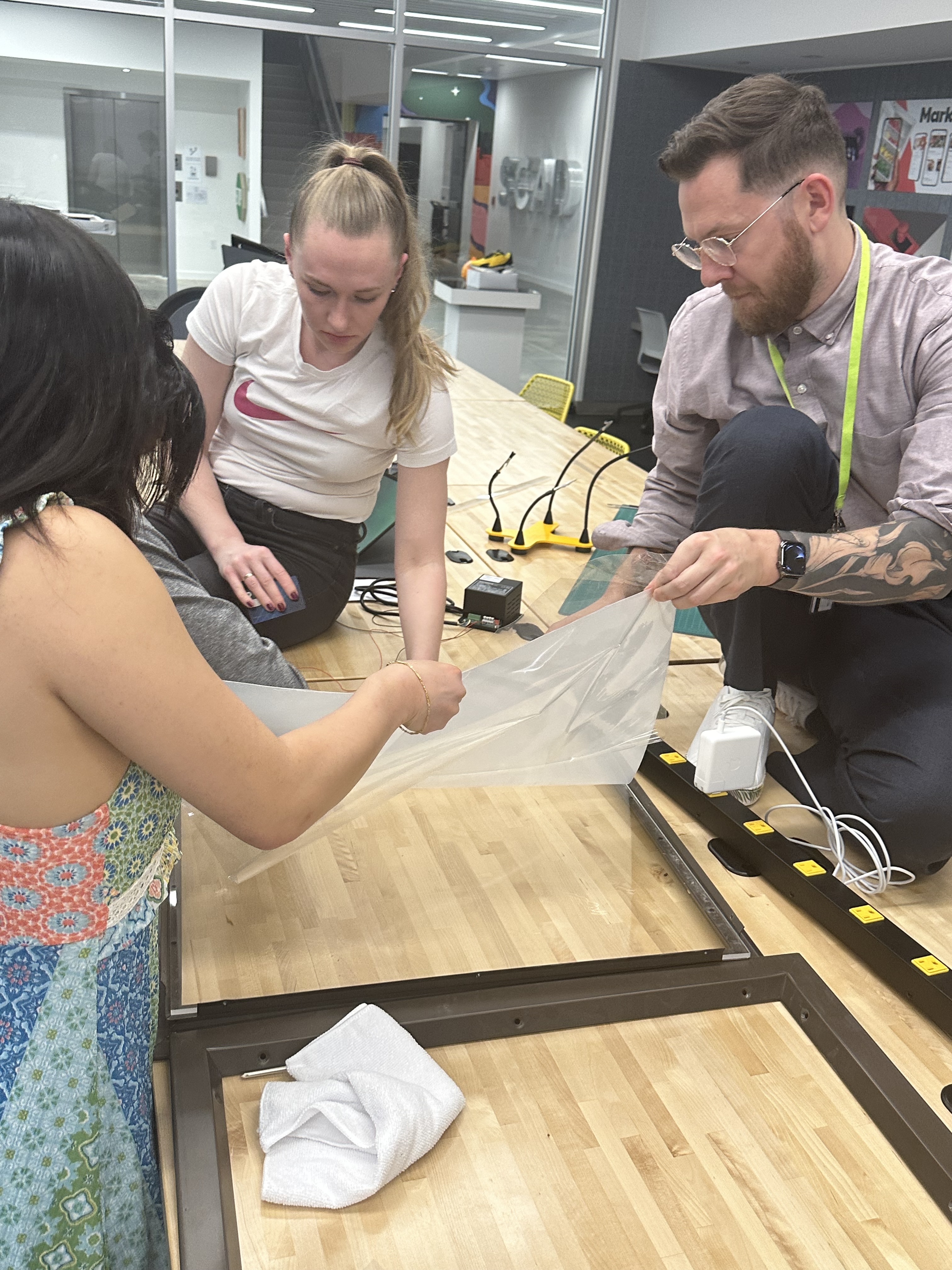
All hands on deck: peeling the film and fitting Prism's panel into its frame.
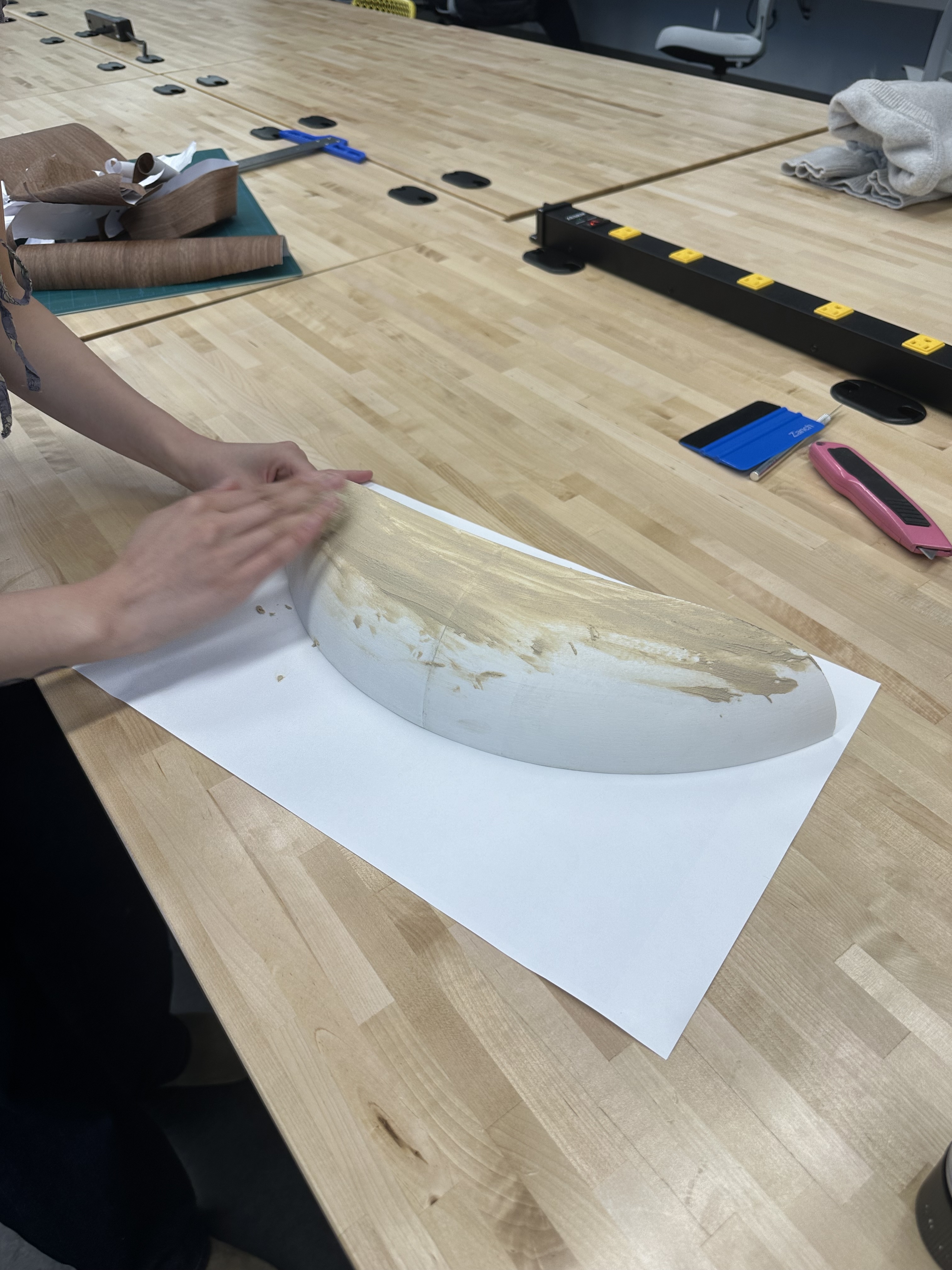
Sanding Sage's 3D-printed shell smooth before wrapping it in wood veneer.
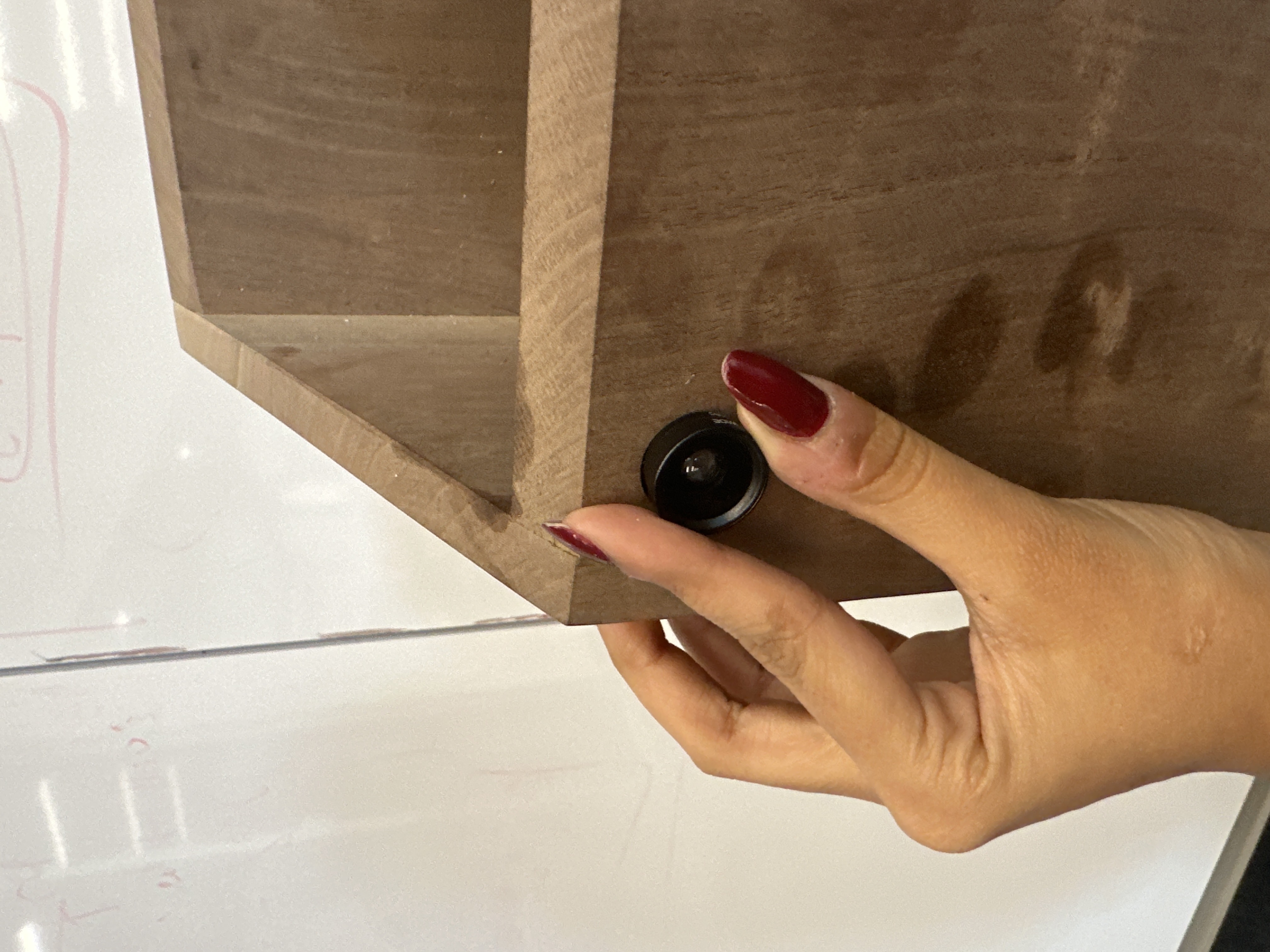
Fitting the projector lens into Dice's wooden stand.
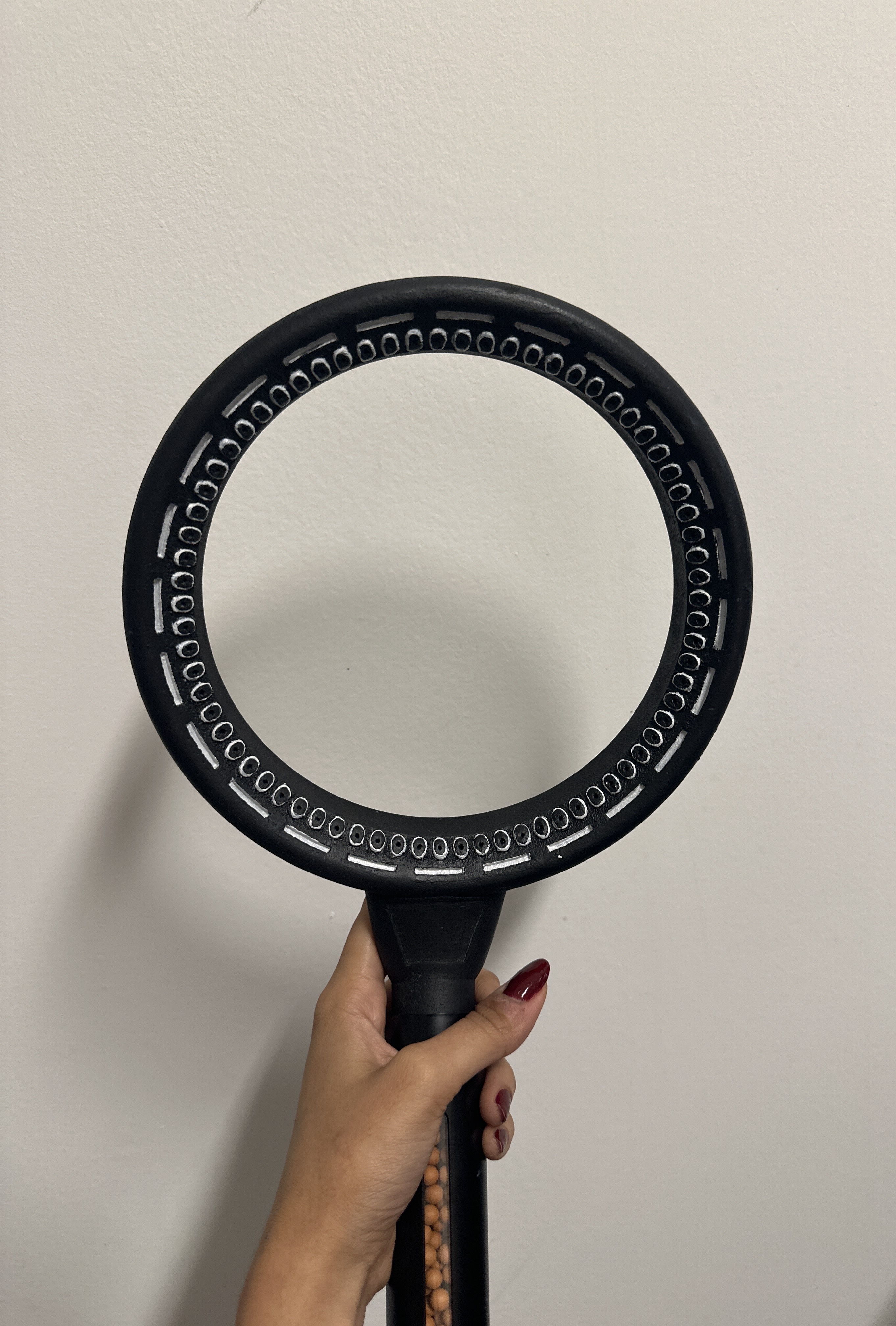
Flow, printed, painted and filled with its vitamin beads.
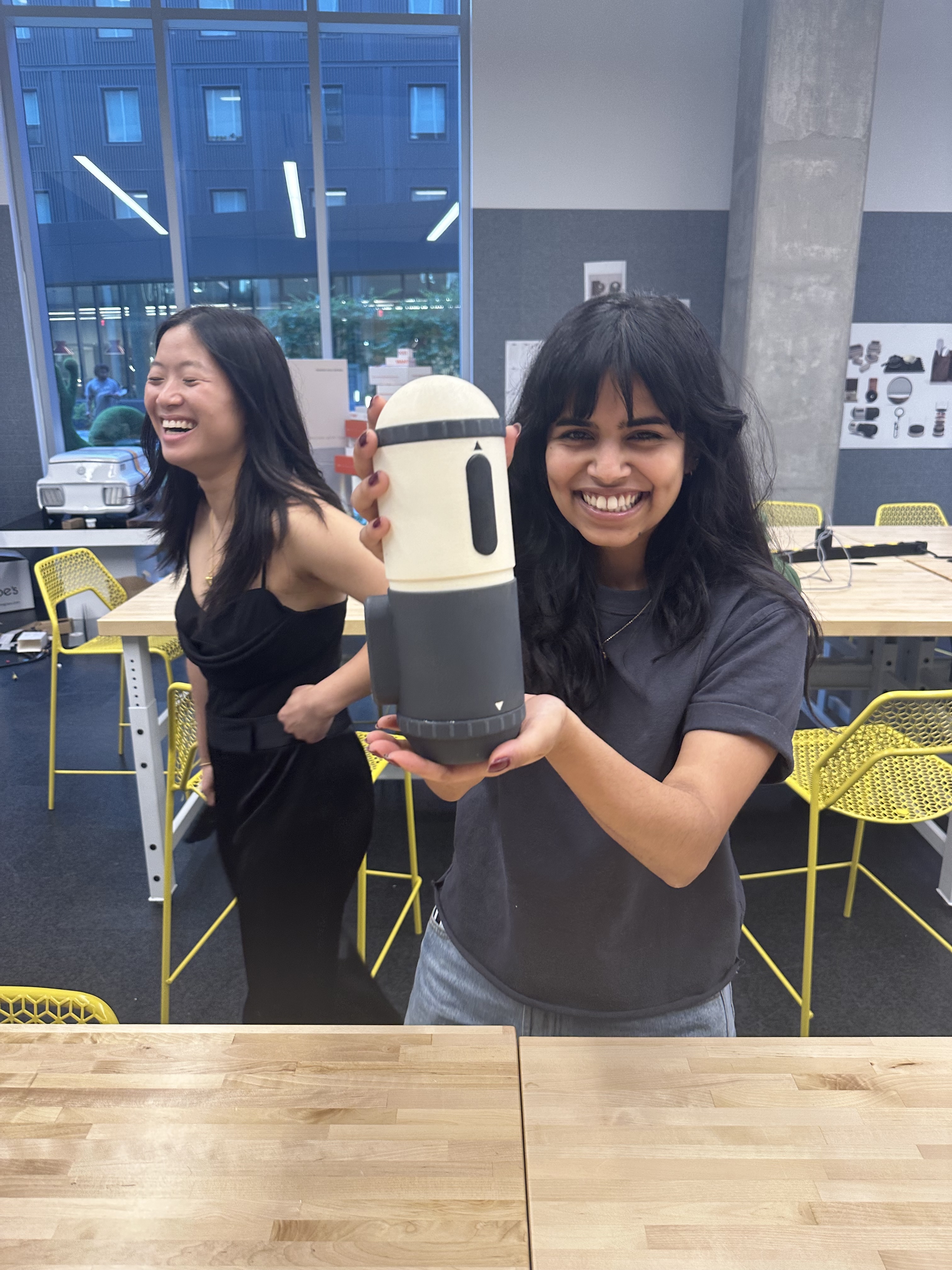
Dip, finished and very much approved.
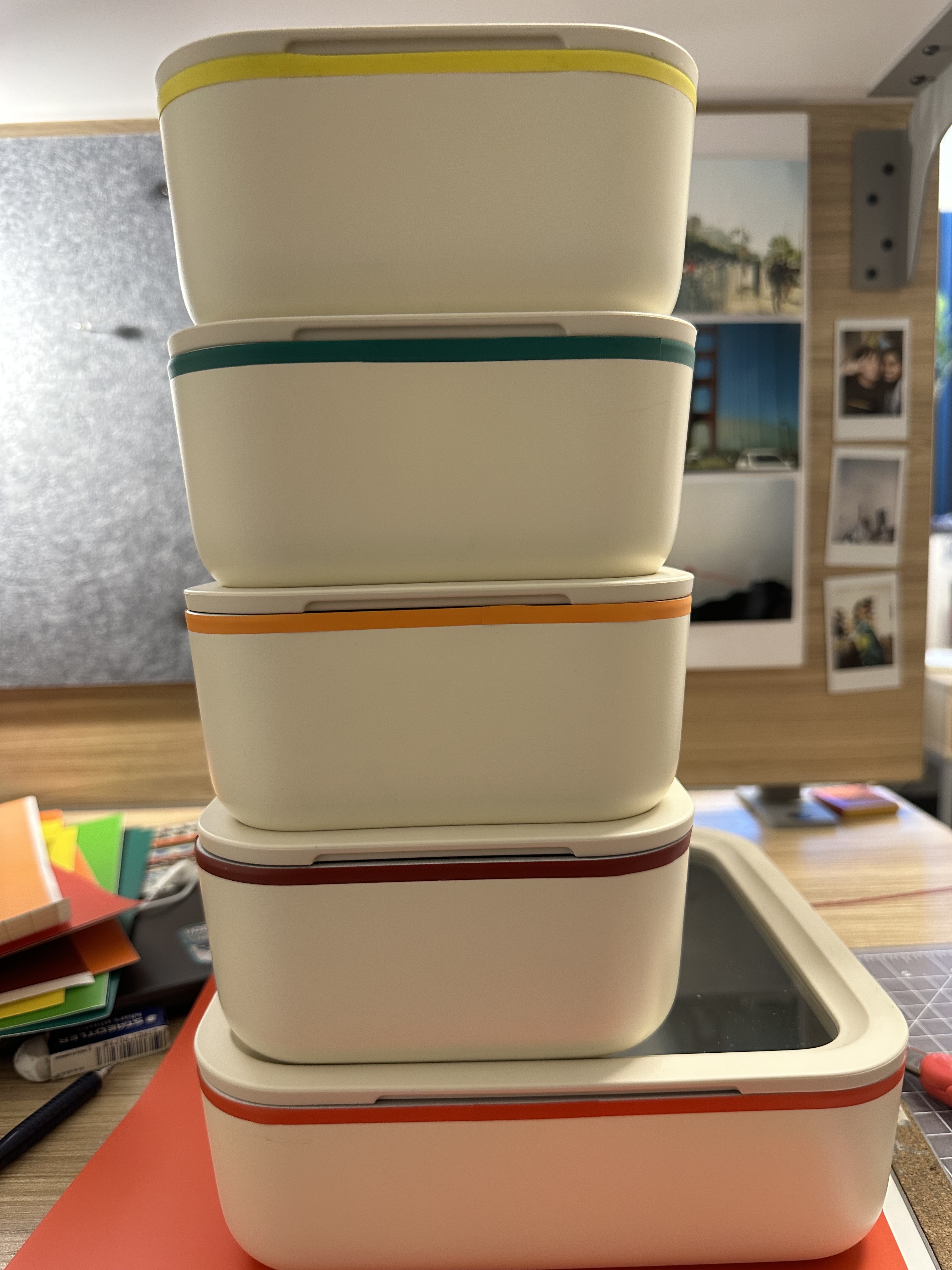
My Tabs containers, each with a colored band that shows how fresh the food is.
Sage in action
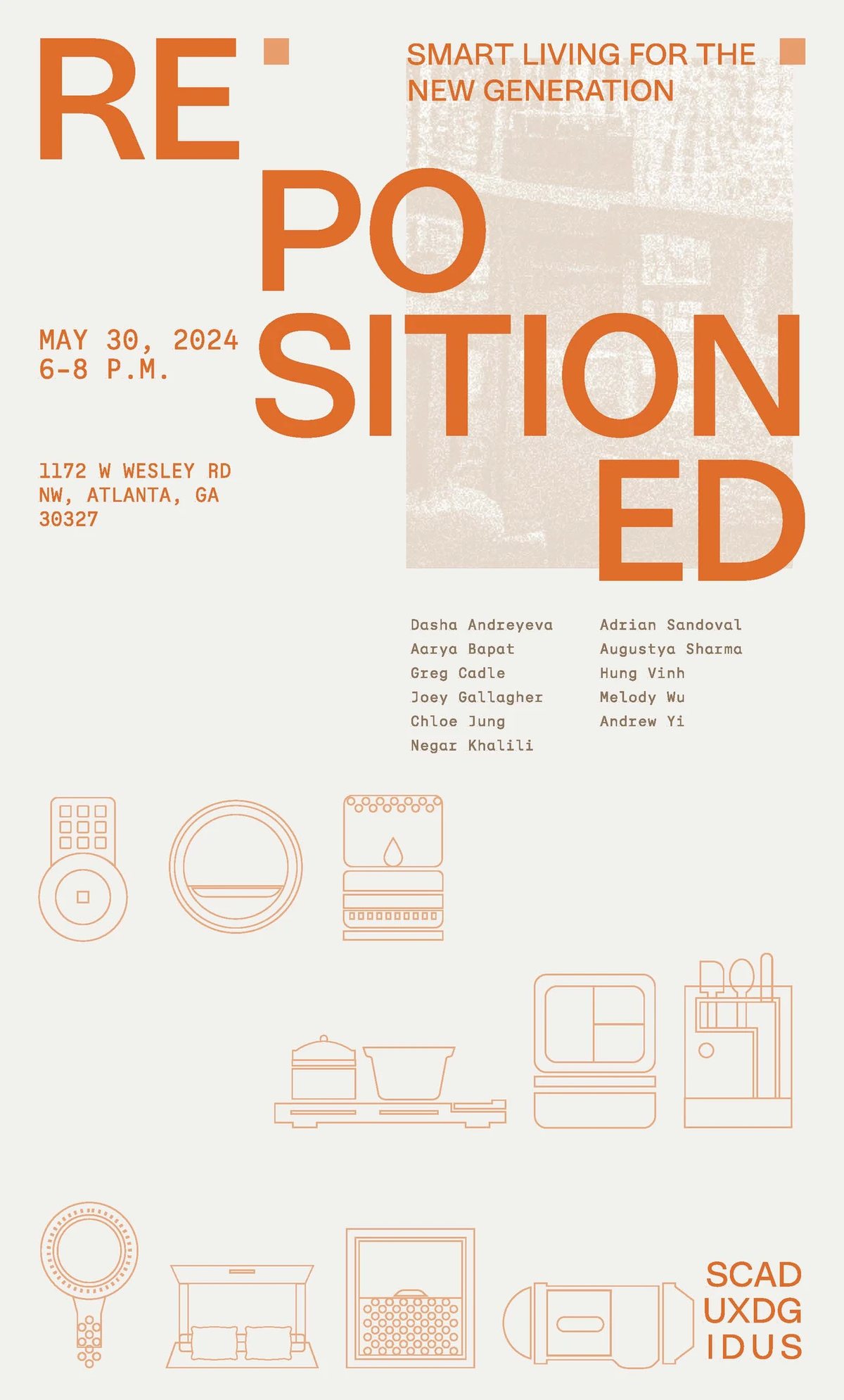
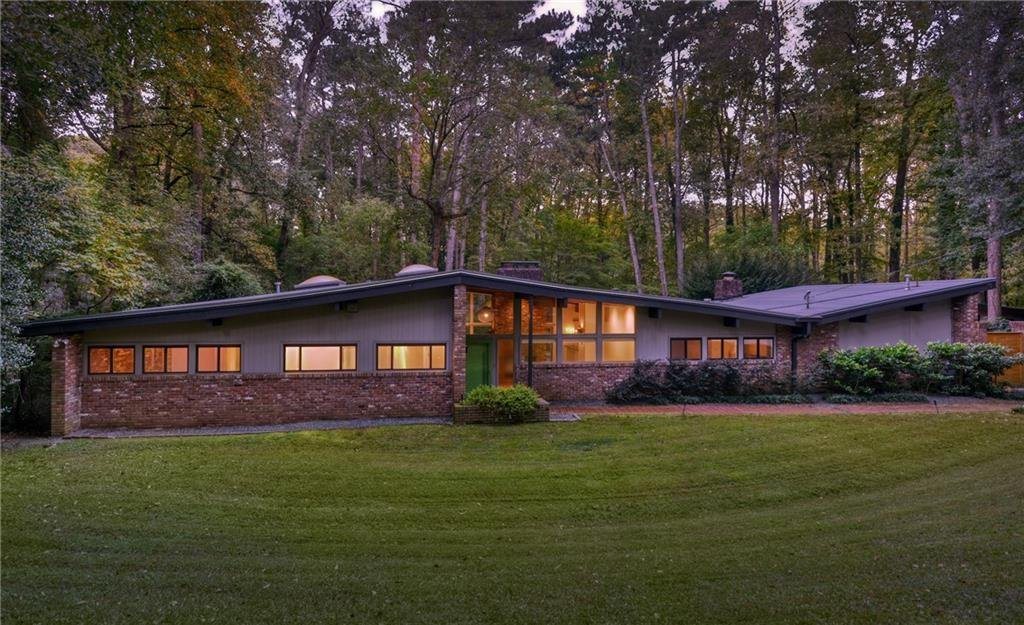
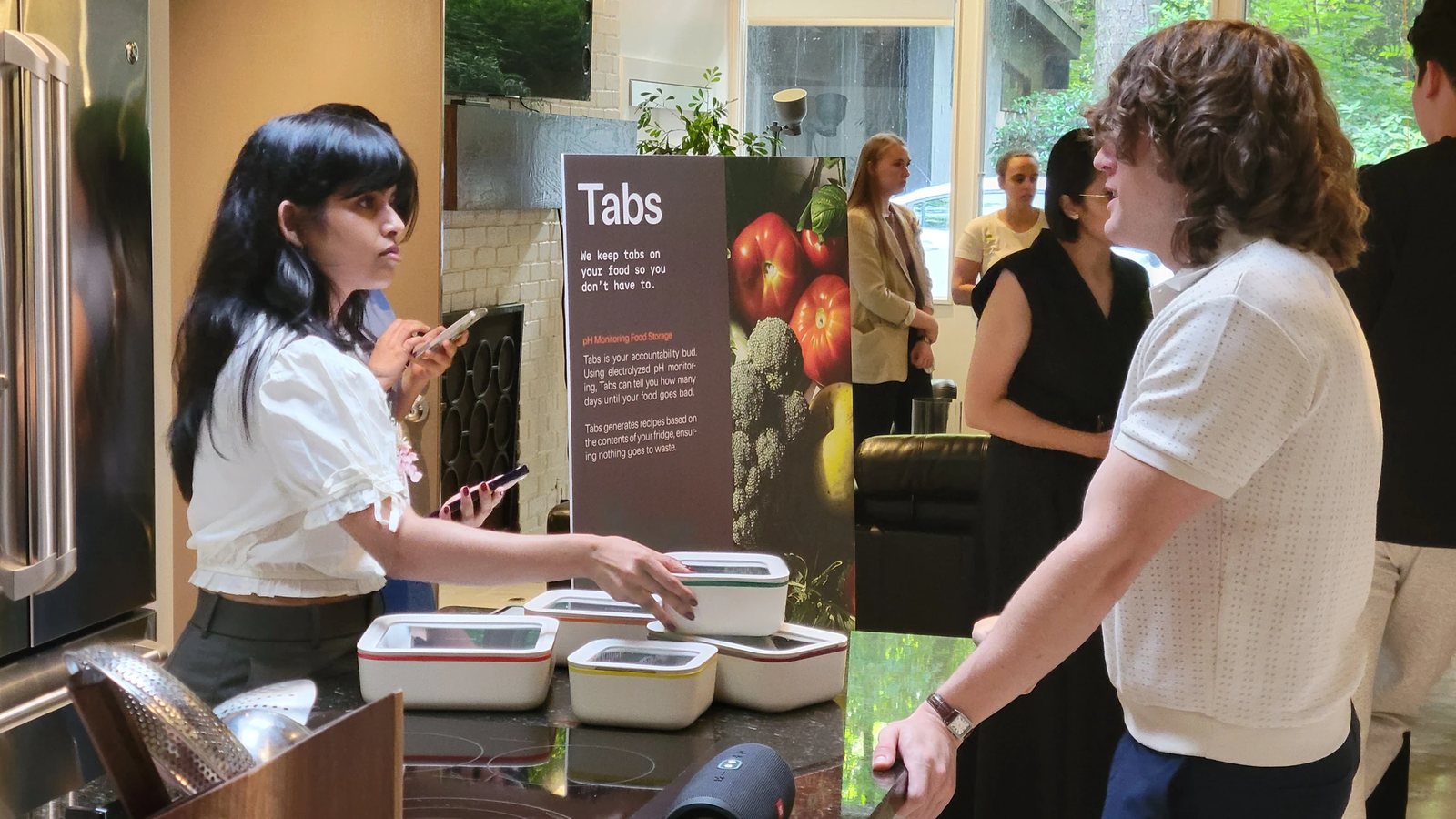
On May 30, 2024, we presented Sage at Repositioned: Smart Living for the New Generation, a one-night showcase staged in a mid-century home in Atlanta. Each product was installed in context, where it would actually be used. I presented Tabs at the kitchen counter, running live demos of the containers and app for faculty, industry guests and visitors and explaining how it tracks food freshness.